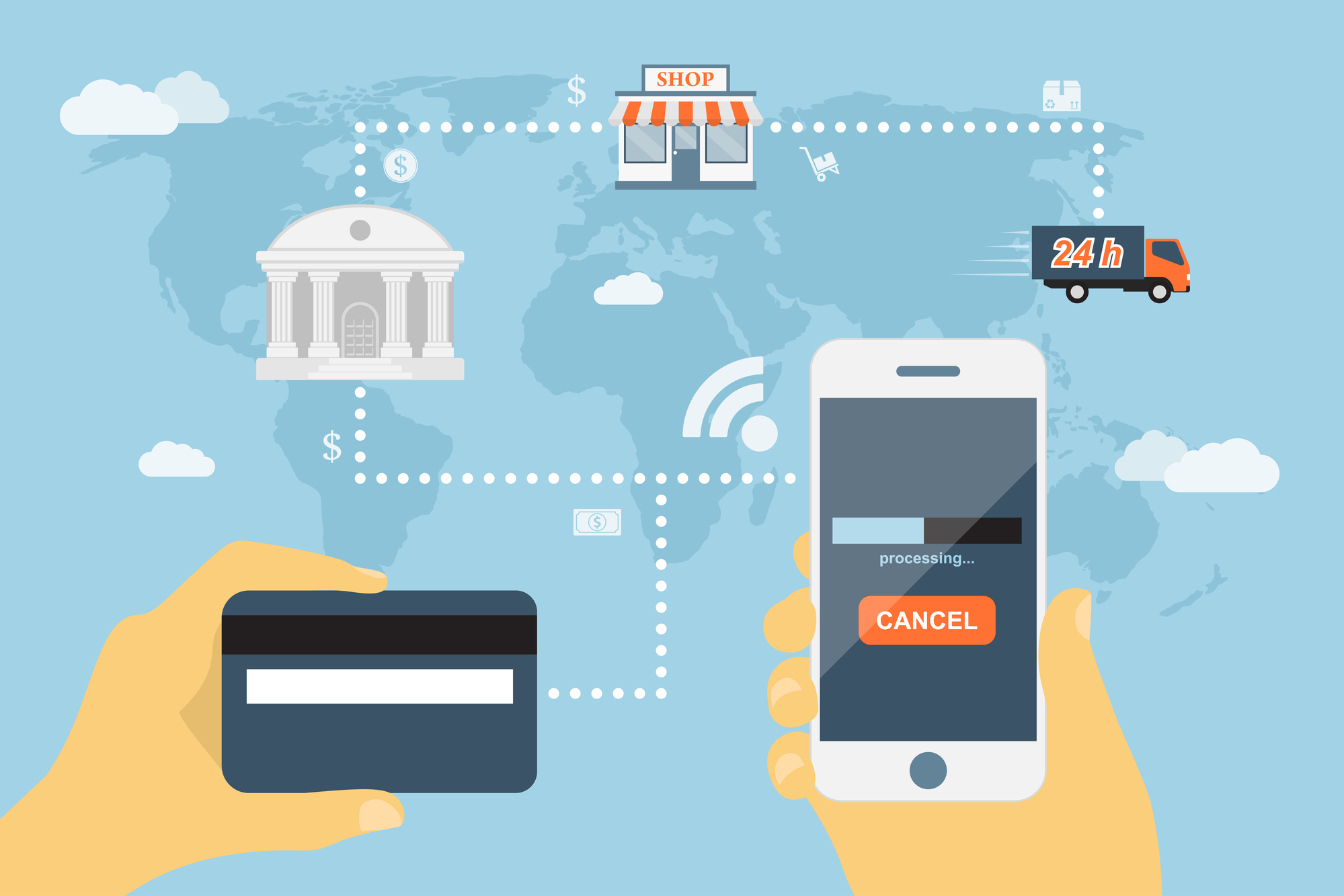
Interchange fees can often seem like a complex and hidden expense for business owners in Jacksonville, FL. Yet, understanding these fees is crucial for managing costs and improving your bottom line. In this blog post, we break down what interchange fees are, how they affect your business, and strategies for minimizing their impact.
What Are Interchange Fees?
Interchange fees are charges that payment card networks, like Visa and MasterCard, impose on merchants for processing credit and debit card transactions. Essentially, these fees are paid by the merchant’s bank to the card-issuing bank as a way to cover the costs and risks associated with the transaction. Typically, interchange fees are a percentage of the transaction value plus a fixed fee, making them a significant operational cost for many businesses.
How Interchange Fees Affect Your Business
For business owners, interchange fees represent a recurring expense that can add up quickly—especially for those with high sales volumes. These fees influence the overall cost of doing business, directly impacting profit margins. While larger corporations might negotiate lower fees due to volume, small and medium-sized enterprises often find themselves paying standard rates that may seem disproportionate to their earnings.
Understanding interchange fees can also help you better evaluate your payment processing agreements. Hidden within your billing statements, these fees can often be misunderstood or overlooked, leading to overpayment if not properly managed.
Strategies to Minimize Interchange Fees
- Evaluate Your Payment Processor: Not all processors are created equal. Compare rates and fee structures from multiple providers to ensure you’re getting a competitive deal.
- Adopt Surcharging or Cash Discount Programs: Some businesses choose to pass on a portion of the interchange fee to customers who pay with credit cards, while offering discounts for cash payments. This approach can reduce your overall fee burden, although it must be implemented carefully and in accordance with local laws.
- Monitor Transaction Types: Certain types of transactions may incur higher fees. By analyzing your sales data, you can identify opportunities to encourage lower-fee payment methods.
- Stay Informed About Regulation: The payment processing industry is subject to evolving regulations. Keeping up-to-date on any changes can help you adjust your strategy and negotiate better terms.
Navigating credit card processing fees doesn't need to be scary. That's why No Merchant Service Fees is here to help business owners in Jacksonville save. Contact us today to get started.